
How Divya Found Her Rhythm by Tracking Every Run
A short story about Divya, a first-time runner in Mysuru, and how looking back at her weekly distance, pace and route helped her keep going when motivation dipped.
6 minutes to read
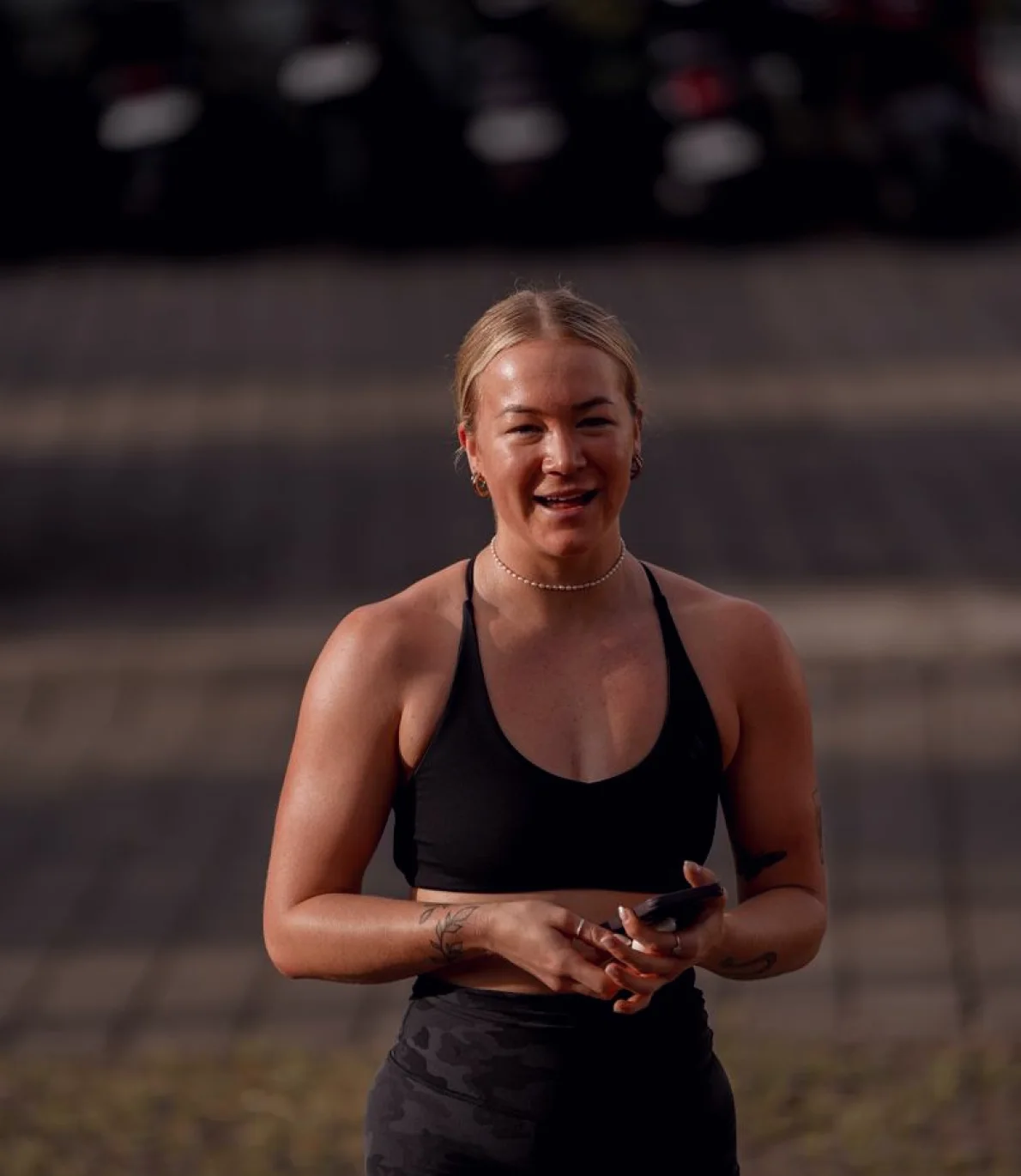
Where Divya started
Divya is in her early thirties and works in an office near the Mysuru palace roads. When she first wrote to our support team, she described herself as someone who ran in short bursts and then stopped for weeks. She was not unfit. She simply had no picture of what she was doing, so every run felt like starting from zero.
I read her message when I was checking how run tracking behaves on mid-range Android phones, and her situation stayed with me. She did not need a harder plan. She needed to see her own effort laid out so she could trust it. That is the quiet job of Track Every Run: it records distance, pace and route for each run or ride, and then lets you look back at the week.
Her first runs were slow and uneven, around two kilometres with long walking breaks. She told us she felt embarrassed by the numbers. We suggested she treat them as a starting line, not a verdict, and simply record the next few weeks without judging them.
What she saw in her first week
After her first week of recording, Divya opened the weekly view and noticed three runs, not the one she remembered. Her mind had kept only the bad day. The record showed a Tuesday evening run that she had completely forgotten, and it was her steadiest pace of the week.
This is a common pattern. People tend to remember how a run felt rather than what it was. A written record corrects that gently. Distance, pace and route sit side by side, so you can tell a tired day from a genuinely poor one without guessing.
Divya also liked seeing her route drawn on a map. She had been running the same loop around her neighbourhood without realising it was almost exactly three kilometres. That small discovery gave her a fixed distance to aim at, which she later used as her own benchmark.
- Three recorded runs instead of the one she remembered
- A forgotten Tuesday run turned out to be her steadiest
- Her usual loop measured close to three kilometres
The week she nearly stopped
In her fourth week, Divya had a rough stretch. Work ran late, the evenings turned humid, and she skipped five days in a row. She wrote to us half expecting to give up. What helped was not encouragement alone but the history already sitting in her account.
She scrolled back through the earlier weeks and saw that her pace on the neighbourhood loop had dropped by a little under a minute per kilometre since the start. It was not dramatic, and I would not call it a promise of anything. But it was real, and it belonged to her.
She told us that seeing it written down made skipping five days feel like a pause rather than a failure. She went out the next morning for a short, slow run just to put another entry on the page, and that was enough to restart the habit.
How she reads her week now
These days Divya spends about two minutes on Sunday evening looking back over the week. She checks how many days she ran, whether her distance crept up or down, and which route she used. She does not chase a perfect number.
She told us she keeps three simple questions in mind: did I show up, did I do roughly what I planned, and did anything hurt. If the answers are yes, yes and no, she leaves the plan alone. If something hurt, she shortens the next run and waits.
I like this approach because it matches how the feature is meant to be used. The recording is plain on purpose. It gives you facts about your own week so that the decisions stay with you, made calmly rather than in the middle of a hard run.
- Did I show up this week
- Did I do roughly what I planned
- Did anything hurt or feel wrong
What tracking does not do for her
It is worth being honest about the limits. Tracking does not make anyone faster by itself, and it does not replace rest, sleep or sensible shoes. Divya still has slow weeks, and the record shows them without softening anything.
Phone accuracy also varies. In tall-building areas or under heavy tree cover, a route can wobble slightly, and distance may read a little off. As the engineer who looks after this on everyday Android phones, I would rather say so plainly than pretend the numbers are laboratory exact.
For Divya this is fine. She cares about the trend across weeks, not the last few metres of any single run. A small error repeated evenly does not change the story her weeks are telling her, and that story is what keeps her lacing up.
What others can take from her story
If you are starting out, the useful lesson from Divya is small. Record every run, including the short and clumsy ones, because those are the entries that will later show you how far you have come. Skipping the poor days leaves a record that flatters you and teaches you nothing.
Pick one loop you can repeat. A familiar route makes pace changes easy to read, since the ground stays the same while you change. Divya's three-kilometre loop became her measuring stick without her planning it.
And look back once a week, not once a run. A calm Sunday glance at distance, pace and route tells you far more than staring at your wrist mid-effort. The aim is not to judge yourself, only to see clearly where you stand.
- Record the short and clumsy runs too
- Repeat one familiar loop to compare fairly
- Review once a week, not during the run
Divya still runs her neighbourhood loop most mornings, and she still has slow weeks. What changed is that she can see them for what they are. Track Every Run did not make her a different runner; it gave her a clear record to learn from and return to. If you have been stopping and starting, record your next run and look at the week before deciding anything.
Rohan Hegde
Lead Mobile EngineerRohan builds the Android experience and keeps run tracking steady on everyday phones. He cycles to work along the Mysuru palace roads.
Send us a message
- Phone
- 0821 4067 318
- [email protected]